What the Kobayashi Red Yeast Rice Crisis Means for Your Supplement Brand (And How to Avoid the Same Risk)
In 2024, Japanese Kobayashi Pharmaceutical recalled multiple red yeast rice products after reports of serious kidney damage and deaths.
CAUSE ANALYSIS
Leo Chan
3/16/20263 min read
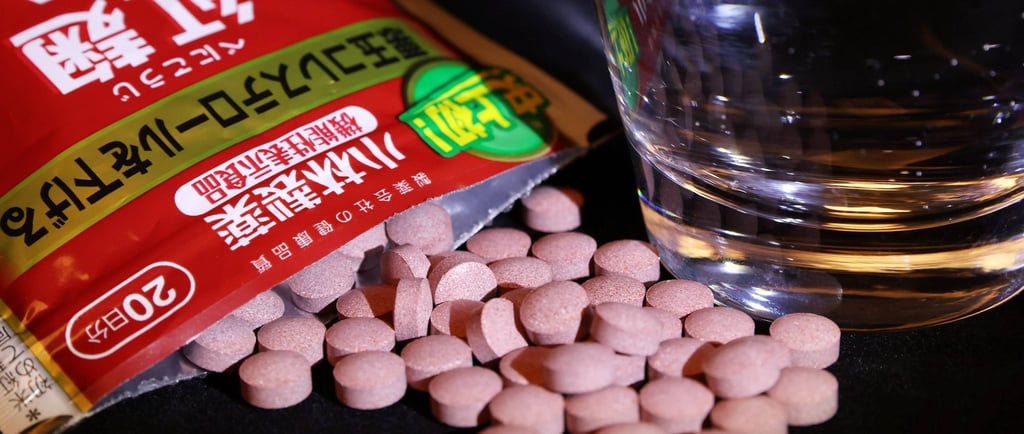
In 2024, Japanese Kobayashi Pharmaceutical recalled multiple red yeast rice products after reports of serious kidney damage and deaths.
The incident resulted in the deaths of over 80 people and sent thousands to the hospital.
This was not just a product failure.
It exposed a deeper issue in the supplement industry:
Passing standard quality checks does not guarantee safety.
If your brand is using — or considering — red yeast rice or other fermented ingredients, this is no longer a theoretical risk.
It is a business risk.
Why This Matters to You (Even If You’re Not Selling Red Yeast Rice)
Most brands assume problems like this are isolated.
They’re not.
The same underlying risks exist in many formulations:
* Fermented ingredients with unstable production processes
* Botanicals with inconsistent active compounds
* Complex formulas with unknown interactions
If one component fails, the consequences are not limited to a refund. You may be facing:
* Product recalls
* Regulatory issues in the US or EU
* Customer injury claims
* Permanent brand damage
The root cause of the red yeast rice crisis is not “bad luck.” It comes down to one thing: Lack of control over raw materials and production variability.
Here’s what most suppliers don’t tell you:
1. Fermentation is inherently unstable
Small changes in conditions can lead to:
* Contamination
* Unknown metabolites
* Toxic byproducts
2. COA testing only covers known compounds
A Certificate of Analysis does NOT test for:
* Unknown toxins
* Unexpected fermentation outcomes
3. GMP certification does not equal risk control
GMP ensures process consistency — not ingredient safety under all conditions.
The Hidden Risk in “High-Effect” Ingredients. Red yeast rice contains compounds similar to Lovastatin. That’s why it works. And that’s exactly why it carries risk.
This creates a dangerous trade-off:
* Higher dosage → Higher regulatory and safety exposure
* Lower dosage → Reduced efficacy and customer dissatisfaction
For brands, this isn't just a simple choice for a formula. Instead, a systematic risk control system is needed right from the product formula design stage.
This system is used to comprehensively review and evaluate aspects of the formula, including the controllability of ingredients, pharmacological strength, regulatory compliance, supply chain transparency, formula complexity, and historical safety records.
What Smart Brands Are Doing Now
After the 2024 incident, experienced brands are shifting their strategy:
Instead of chasing “fast-effect” products, they are prioritizing:
* Stable, well-documented ingredients
* Long-term safety profiles
* Regulatory consistency across markets
In today's market, I believe that a product's greatest competitive advantage lies not in short-term sensory experience or perceived efficacy, but rather in adherence to the regulations of various markets, real ingredients, scientifically sound formulations, and consistently stable quality over the long term.
Safer Alternatives to Red Yeast Rice
If your goal is to support cardiovascular health, there are lower-risk options:
1. Plant Sterols
* Widely accepted in global markets
* Strong safety profile
* Suitable for long-term use
2. Bergamot Standard Extract
* Natural origin
* Growing clinical support
* Lower regulatory sensitivity
3. Omega-3 (Fish Oil / Algal Oil)
* Highly standardized
* Global consumer acceptance
* Strong repeat purchase potential
These ingredients may not deliver “drug-like” effects.
But they provide something more valuable: Consistency, safety, and brand longevity
How to Choose the Right Supplement Manufacturer Now
Choosing a manufacturer is no longer just about cost or speed.
You need to evaluate:
✔ Raw Material Transparency
Do they truly understand and control their ingredient sources?
✔ Risk Awareness
Can they explain what could go wrong — not just what works?
✔ Formulation Discipline
Do they avoid unnecessary complexity?
✔ Market Compliance Strategy
Can the same product work in the US and EU without regulatory conflict?
Our Approach: Risk-First Manufacturing
At Vantage Biogenesis, we don’t start with cost and MOQ. We start with risk first.
Before any product goes into development, we evaluate:
* Regulatory Uniformity
* Ingredient Stability
* Formula Feasibility
* Long-term Safety
* Supply Chain Reliability
If you are currently:
* Developing a red yeast rice product
* Working with fermented or complex botanical ingredients
* Unsure about regulatory or safety exposure
Now is the time to reassess.